

Grounding sheets get sold under a confusing pile of names and configurations. Fitted sheets, half-sheets, top sheets, conductive throws, body bands, ground mats labeled as sheets. Some are based on silver, some on stainless steel, some on carbon. Some come pre-fitted to standard mattress sizes, others are flat rectangles you arrange how you want.
If you're trying to pick one and the options keep multiplying every time you click through a brand site, here's the honest breakdown of what actually exists, what the differences mean, and what to ignore.
Three things vary across grounding sheet types
Every grounding sheet on the market differs along three axes. Once you understand these three, the entire market makes sense and you can ignore most of the marketing.
Form factor. How the sheet is constructed, whether it's a fitted sheet, a half-sheet, a flat sheet, or something else.
Conductive material. What metal is woven into the fabric. Silver, stainless steel, or carbon are the three options.
Conductive percentage. How much of the fabric is actually conductive thread. Higher percentages cost more and last longer.
That's it. Brand, country of manufacture, packaging, and most of what's on the spec sheet are noise. These three variables determine 95% of how a sheet performs.
Form factors that actually exist
The fitted grounding sheet is the dominant configuration and what most buyers eventually end up with. It looks and behaves like a normal fitted sheet, with elastic corners that hug the mattress, and a snap connector somewhere along an edge for the cord. Standard sizes match standard mattress sizes: twin, full, queen, king, California king. Most brands offer all five.
A half-sheet is a smaller piece of conductive fabric, usually about 36 inches wide, that sits across the top of your mattress at torso height. You tuck the long edges under the mattress and sleep with your back and shoulders on the conductive area. Cheaper than a fitted sheet, easier to integrate with a complicated existing bedding setup, but covers less of you.
A flat grounding sheet is a full-mattress-sized rectangle of conductive fabric without the fitted corners. You drape it over the mattress and the bedding takes care of holding it in place. Less common than fitted sheets and mostly aimed at people who want full coverage with a more flexible setup.
Body band sheets are a niche product, usually a strip of conductive fabric maybe 12 inches wide that you tuck under your bedding wherever you want contact. Inexpensive, minimal coverage, mostly useful for travel or testing.
Then there are the adjacent products that get marketed alongside sheets but aren't actually sheets: grounding mats, pillowcases, blankets, and wristbands. I cover those separately in grounding mats and grounding pillowcases.
Materials, ranked honestly
The three conductive materials behave differently enough to matter for a buying decision.
Silver-fiber cotton is the most common in mid-range and premium sheets. Woven cotton sheets with silver threads at typically 4% to 8% by weight. Highly conductive when new, soft against skin, antimicrobial because silver naturally resists bacteria. The downsides: silver tarnishes with use and washing, which slowly increases resistance over time. A silver sheet's useful life is typically 18 to 30 months depending on care.
Stainless steel 316L blends show up in some premium and budget brands. Stainless steel is less conductive than silver per fiber, but it's far more durable, doesn't tarnish, and survives many more wash cycles. A stainless steel sheet often lasts 30 to 50% longer than a comparable silver sheet. The trade-off is texture: stainless feels slightly rougher, and some people notice a faint metallic glint that silver doesn't have. For sheet use this matters less than you'd think because you're not usually rubbing your face on the corner of a fitted sheet.
Carbon-based fabric is the newest of the three and increasingly common in budget grounding products. Carbon is non-tarnishing, durable, and significantly cheaper to produce than silver. Conductivity is lower than silver but still well within the functional range for grounding. The downside is feel: some carbon fabrics have a faint plasticky texture that doesn't quite match the comfort of pure cotton blends. Not a deal-breaker, but worth knowing.
If I had to recommend one for someone who wasn't going to think about it again, I'd pick a stainless steel sheet for durability or a higher-percentage silver sheet for feel. Carbon is the budget pick. None of these are bad choices.
Conductive percentage, where the corners get cut
This is the spec brands try not to talk about because it's where the cheap sheets are obviously inferior.
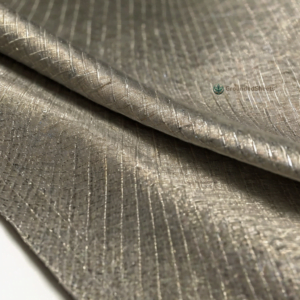
A high-quality silver-fiber sheet contains 5% to 8% silver thread by weight. A budget silver sheet might contain 1% to 2%. Both look essentially identical on the outside. They feel similar in your hand. But the budget version has a starting resistance two or three times higher, and the conductive layer wears out maybe twice as fast.
The honest difference is durability. A 2% silver sheet might be functional for 10 months. An 8% silver sheet stays functional for 30 months. You're paying for the silver, but you're also paying for the years.
Most reputable brands publish this number on their product page. If a brand doesn't publish a conductive percentage and won't share it when you email them, that's a signal. Cheap Amazon listings rarely publish anything beyond "premium silver fiber" without a number, and you can usually assume those are at the lower end.
For stainless steel and carbon sheets, the percentage matters less because the materials don't degrade the same way. A stainless sheet at any reasonable percentage will outlast a silver sheet at the same percentage, almost regardless of starting conductivity.
Sizes and the deep-pocket question
Standard mattress sizes are well covered by every major brand. Where things get fiddly is mattress depth.
Most grounding sheets are designed to fit mattresses up to about 14 inches deep. Modern memory foam and hybrid mattresses often run thicker, sometimes 16 to 18 inches. If you put a standard fitted grounding sheet on a 17-inch mattress, the corners pop off during the night, the sheet slides around, and your skin contact gets unreliable.
Several brands sell deep-pocket versions designed for mattresses up to 18 inches. Earthing.com, GroundLuxe, and Hooga all make deep-pocket lines. Worth measuring your mattress before ordering. The tag on the side of your mattress usually lists the depth, or you can measure it yourself with a ruler.
For adjustable beds, especially split kings, you typically need two separate sheets, one per side. A single grounding sheet bridged across a split king will tear at the articulation point within months.
What to ignore
A few features get marketed as differentiators that don't actually matter for grounding performance.
Thread count above 200 or 300 is not relevant for grounding sheets. Higher thread count makes regular sheets feel softer, but for a sheet you're using primarily for the conductive function, thread count is mostly a marketing number. Anything in the 200 to 400 range is fine.
Organic cotton certification matters if you care about pesticide residue and broader textile sustainability, but it doesn't affect grounding function. The conductive thread does its job whether the cotton around it is organic or conventional. organic vs conventional grounding sheets gets into when this is worth paying extra for.
"Antimicrobial silver" claims are just describing the natural property of silver. Any silver-fiber sheet has this property by default. It's not a separate feature.
"EMF-shielding" claims on grounding sheets are mostly marketing. A grounding sheet drains low-voltage induced charge from your body. It does not block radio-frequency fields from cell phones, WiFi routers, or smart meters. Those require different kinds of fabric (mu-metal or specifically RF-shielding mesh) and don't connect to ground in the same way. If a brand is selling a grounding sheet primarily on EMF-shielding claims, they're stretching the physics.
The decision tree, simplified
If you sleep on a standard mattress and want full coverage, get a fitted silver-fiber or stainless steel sheet at a reasonable conductive percentage from a brand that publishes its specs.
If you want to test grounding cheaply before committing, get a half-sheet or a grounding mat instead.
If your mattress is unusually thick, check for deep-pocket compatibility before ordering anything.
If you have a specific durability priority (hard water, frequent washing, kids, pets) lean toward stainless steel.
If you're on the tightest budget, carbon-based sheets give you 80% of the function at 60% of the price.
That's the entire decision space. Brand matters less than these four questions, and once you've answered them, the specific sheet you choose mostly comes down to fit and price within the category you've identified.
Frequently Asked Questions
- What actually differs between grounding sheets?
- Three things: form factor, conductive material, and conductive percentage. Those determine roughly 95% of how a sheet performs. Brand, country of manufacture, packaging and most of the rest of the spec sheet are noise. Once you've settled those three the market stops looking complicated and most of the marketing becomes ignorable.
- Silver, stainless steel or carbon?
- Silver conducts best and feels softest, and it's naturally antimicrobial, but it tarnishes, so resistance creeps up and useful life lands around 18 to 30 months. Stainless steel 316L conducts less well per fiber, doesn't tarnish, survives many more wash cycles, and often lasts 30% to 50% longer than a comparable silver sheet. Carbon is the budget pick: durable, non-tarnishing, conductive enough, with a faintly plasticky feel some people notice. For someone who doesn't want to think about it again, stainless for durability or higher-percentage silver for feel.
- Does conductive percentage matter?
- For silver it matters a lot. Good sheets run 5% to 8% silver thread by weight, budget sheets 1% to 2%, and the two look and feel identical in your hand. The cheap one starts at two or three times the resistance and wears out about twice as fast, giving you maybe 10 months of function against 30. Most reputable brands publish the number, and a brand that won't share it when you email has answered the question. For stainless and carbon the percentage matters less, since neither degrades the way silver does.
- What if my mattress is thick?
- Measure before you order. Most grounding sheets are cut for mattresses up to about 14 inches, while modern memory foam and hybrids often run 16 to 18. Put a standard fitted sheet on a 17-inch mattress and the corners pop off overnight, which makes skin contact unreliable. Earthing.com, GroundLuxe and Hooga all sell deep-pocket lines up to 18 inches. Split-king adjustable beds need two sheets; one sheet bridged across the gap tears at the articulation point within months.
- Which specs can I ignore?
- Thread count above 200 to 300 does nothing for grounding, so anything in the 200 to 400 range is fine. "Antimicrobial silver" describes what silver is rather than a feature someone added. Organic cotton certification is a reasonable thing to care about for pesticide and sustainability reasons, but it has no effect on conductivity. And EMF-shielding claims on a grounding sheet are marketing, since blocking radio-frequency fields takes a different fabric entirely.
- What's the cheapest way to try grounding before committing?
- A half-sheet or a grounding mat. A half-sheet is about 36 inches of conductive fabric laid across the top of the mattress at torso height with the long edges tucked under, so you sleep with your back and shoulders on it. Less coverage, lower price, and easier to work into complicated existing bedding. Body bands, a strip roughly 12 inches wide you tuck wherever you want contact, are mostly for travel and testing.
We've compared every major brand — silver vs. stainless steel, budget vs. premium, single vs. queen. Our top picks in one place.
See Our Top Picks →